

































-500x500.jpg)






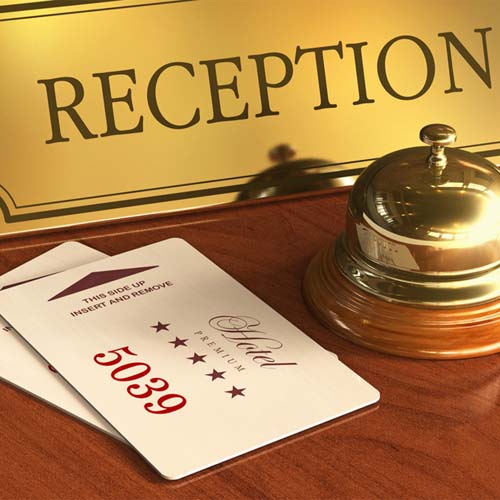
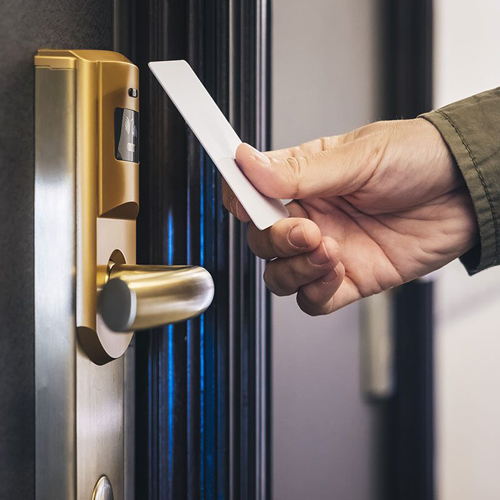
Just ten years ago the American Hotel and Lodging Association reported 83% of hotels in the U.S. had electronic locks using magnetic swipe-card technology. This figure is not surprising, considering the cheap manufacturing costs coupled with the additional conveniences of this technology. However, in today’s tech world, this now outdated swipe-technology is loosing speed fast. Universal Smart cards provides alternatives.
When these swipe cards first came on the scene it meant big advancements for the hotel industry; magnetic cards were much more cost effective than traditional metal keys, less easy to lose for customers, and much more convenient to replace for corporations. Gone were the days of hiring locksmiths whenever a key went missing, or a customer forgot to turn it in. Unfortunately, in past years, the security of these cards has been under much speculation, prompting a need for updates in card technology. Enter; Universal Smart cards.
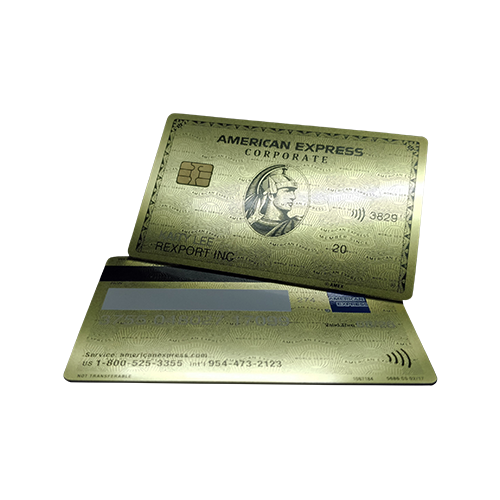
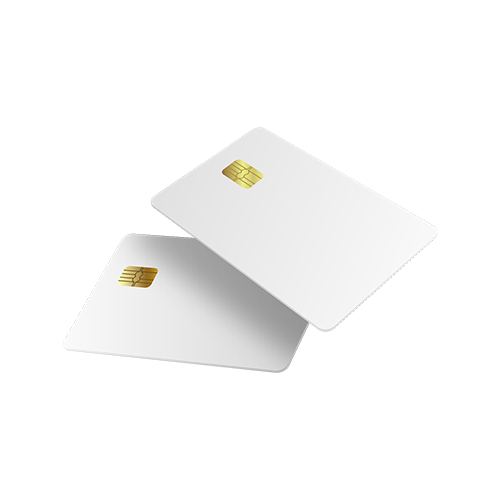
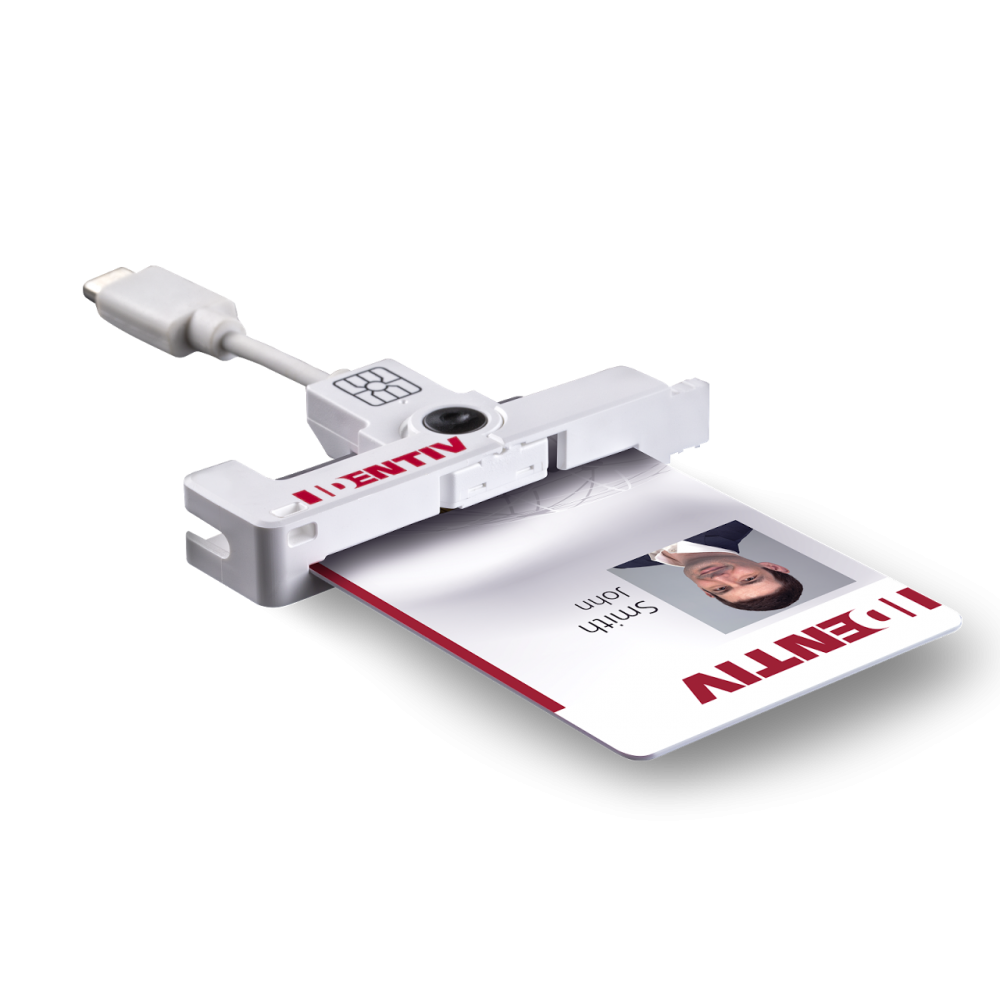
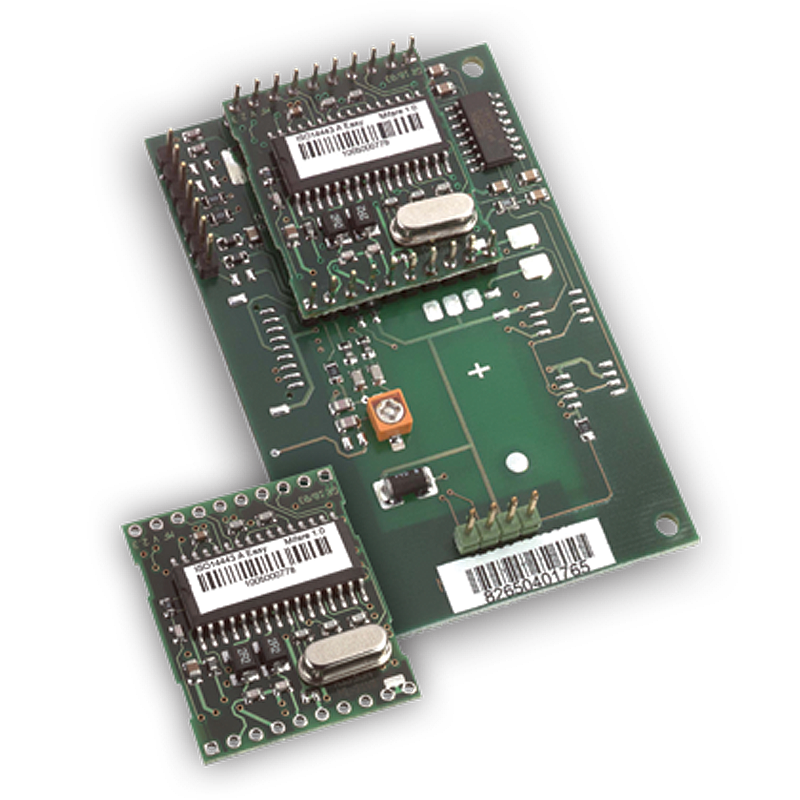
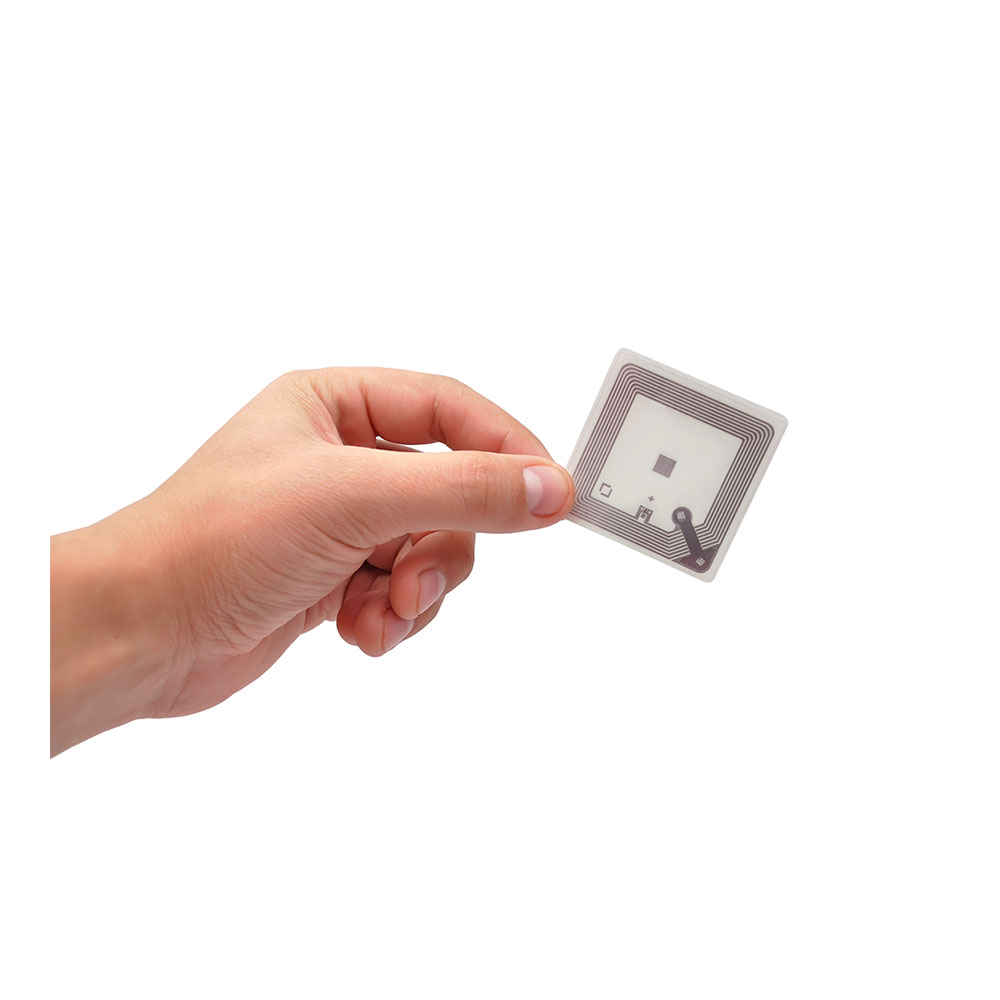
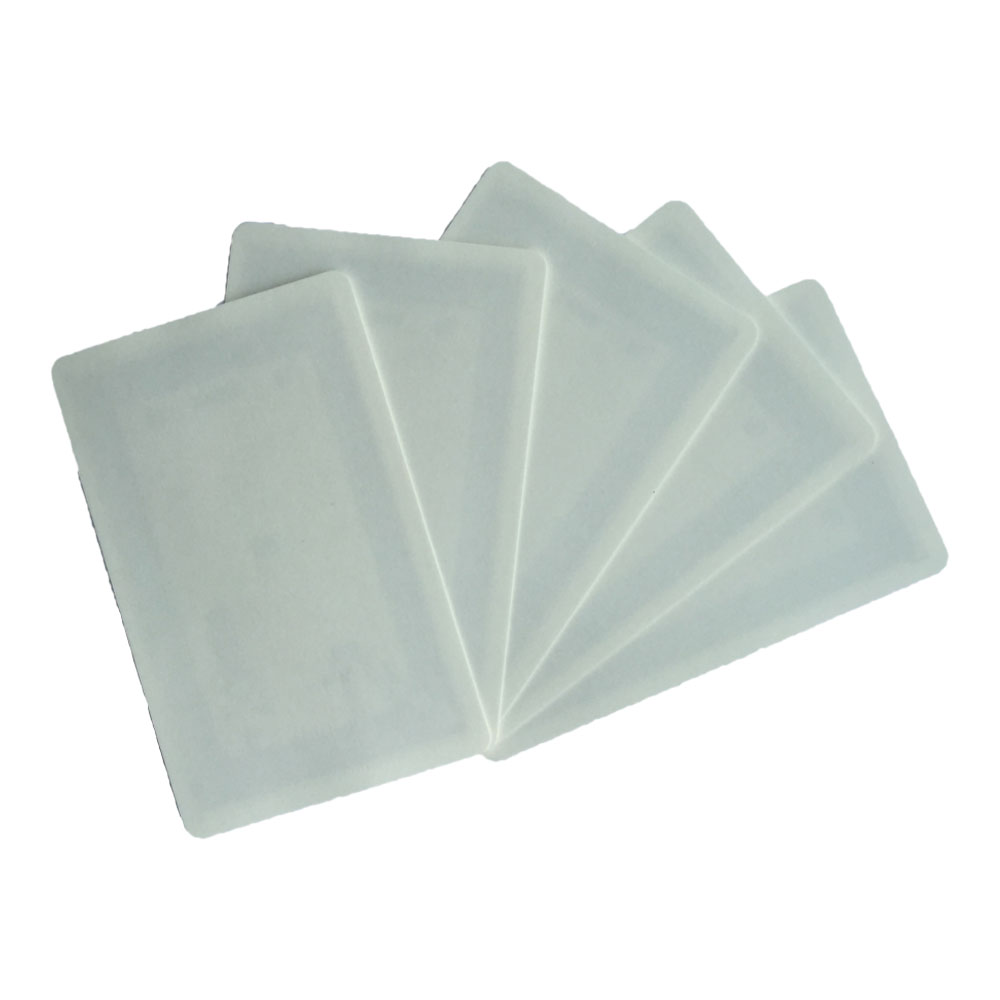
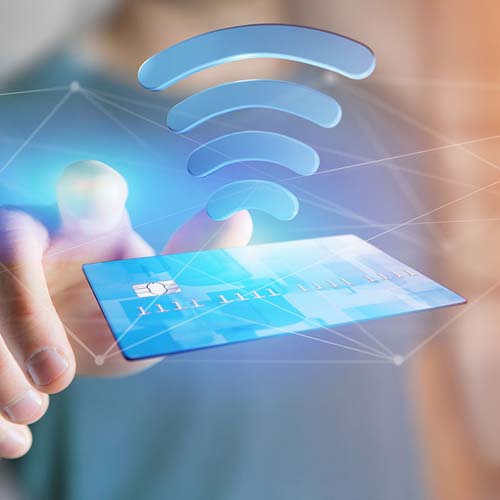
Universal Smart cards provide the smart card technology also known as chip-embedded or NFC/RFID cards, which are now the preferred, superior technology in the security world. These smart cards offer the same perks as the outdated swipe-cards, with increased security and convenience for guests. In the past, there has been conjecture of the possibility of personal information being transferred to swipe-cards. Although this rumor has been debunked, concerns still linger among consumers. To make matters worse, hacking a magstrip card is alarmingly easy, as card reader/writer machines are being sold for as little as $100 on Ebay. These are just a few of the reasons Universal Smart Cards offer the newer embedded RFID chip technology.
Although these newer NFC cards may be a bit more costly than the old magstrip technology, they are still a much cheaper alternative than some of the other options out there, such as fingerprint or biometric technology. Additionally, Universal Smart Cards NFC cards provide superior customer satisfaction, not just for security purposes, but also convenience. Magstrip cards have been infamously known to be wiped of their information upon contact with a cell phone. This is highly impractical and inconvenient for guests who then have to prove their identity to the concierge once more in order to have their keycards reprogrammed. This will invariably lead to an increase in hotel efficiency, no longer wasting employees time with card reprogramming.

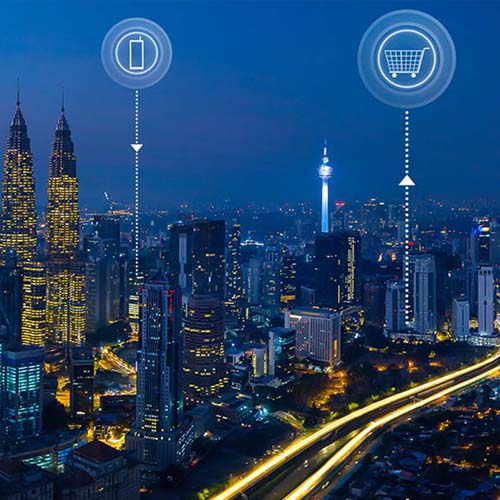
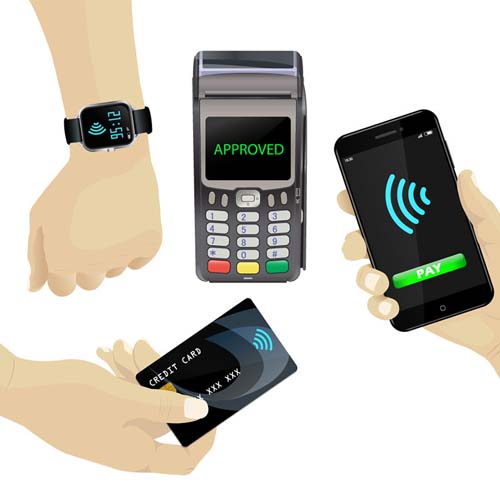
Be that as it may, the next wave of technology is taking it one step further; allowing hotel guests to open their hotel rooms with digital keys via their personal cell phones. This new technology will take time, however, leading global hotel groups are now at the forefront of this by introducing this technology across their establishments. These hotels are introducing groundbreaking new apps that use the NFC and BLE technologies in a smartphones and encompass other conveniences such as checking in and out online, room selection, and even ordering room service through your smartphone. Although this presents a huge leap in security and convenience for customers, there are some downfalls with the new technology, as it is Bluetooth-based. This can cause battery drainage of cell phones, and glitches in the system can complicate things as well. It also relies on guests carrying their phones with them at all times and ensuring they remain charged. Experts are confident these are all variables that can, and will be remedied over time.
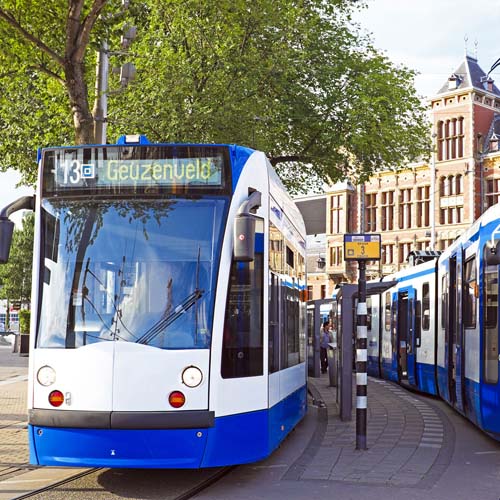
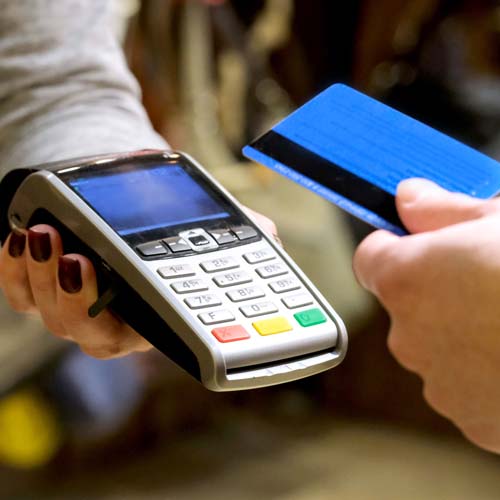
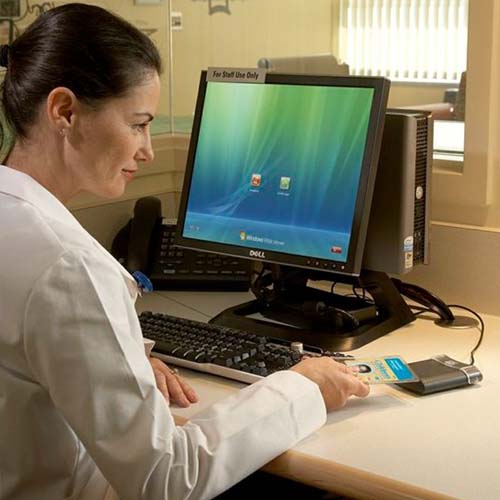
Chip-based card technology offers an increasingly secure environment and is being adopted more commonly now in government, education and health care, retail, hospitality, and access-control markets.
For more information on cost-efficient ways to increase the security of your card technology with chip-based technology, NFC, Prox, and RFID technology, please contact Universal Smart Cards at: 1-800-810-4959 or [email protected].